Our Standards
A philosophy only matters if you can feel the difference.
It is easy to say that people should continue living life on their terms.
The more important question is:
What does that require from us?
The Harris James Standard is the answer.
It shapes the people we choose, the questions we ask, the decisions we make and the details we refuse to dismiss as unimportant.
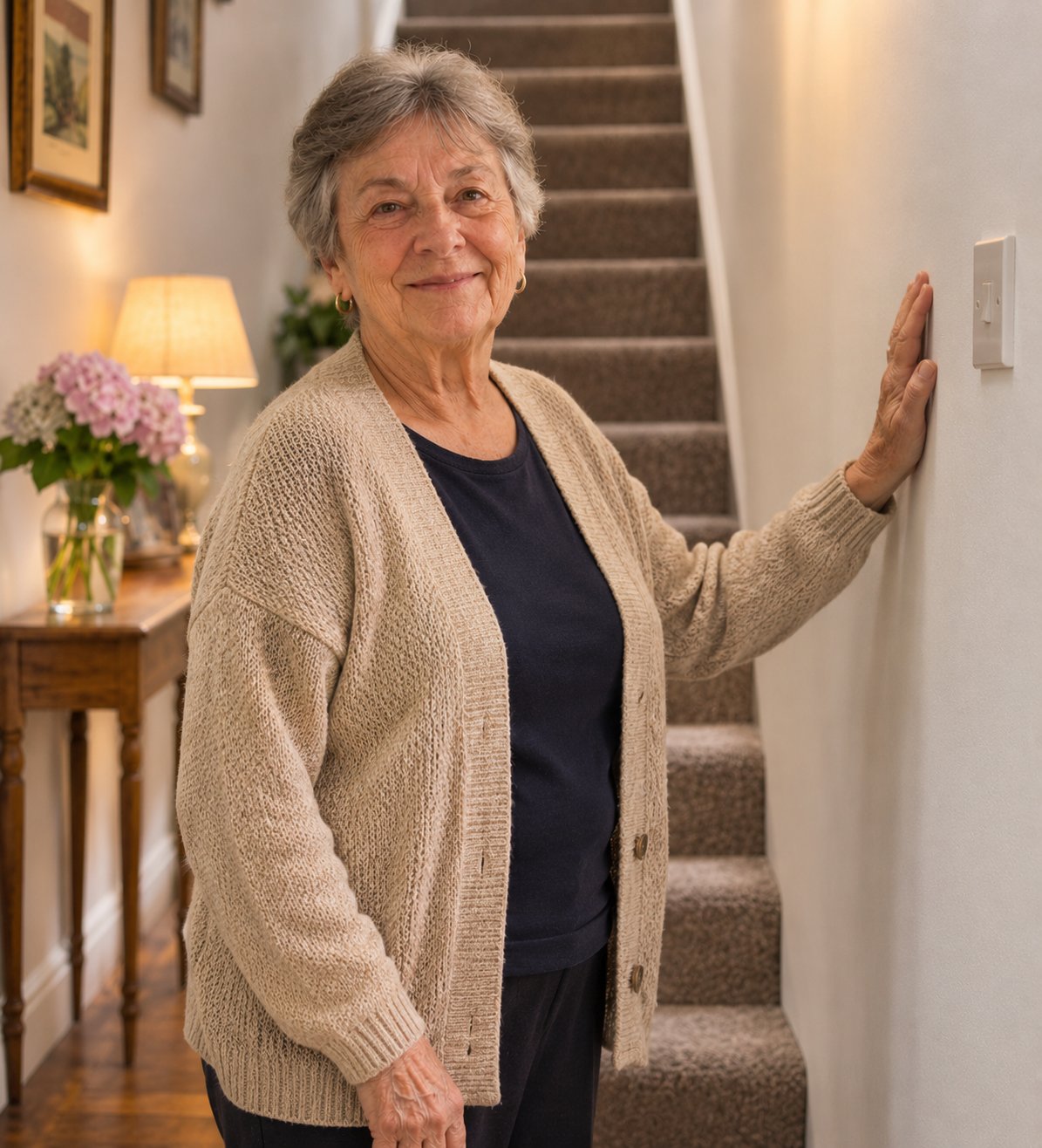
You can tell when somebody really knows you.
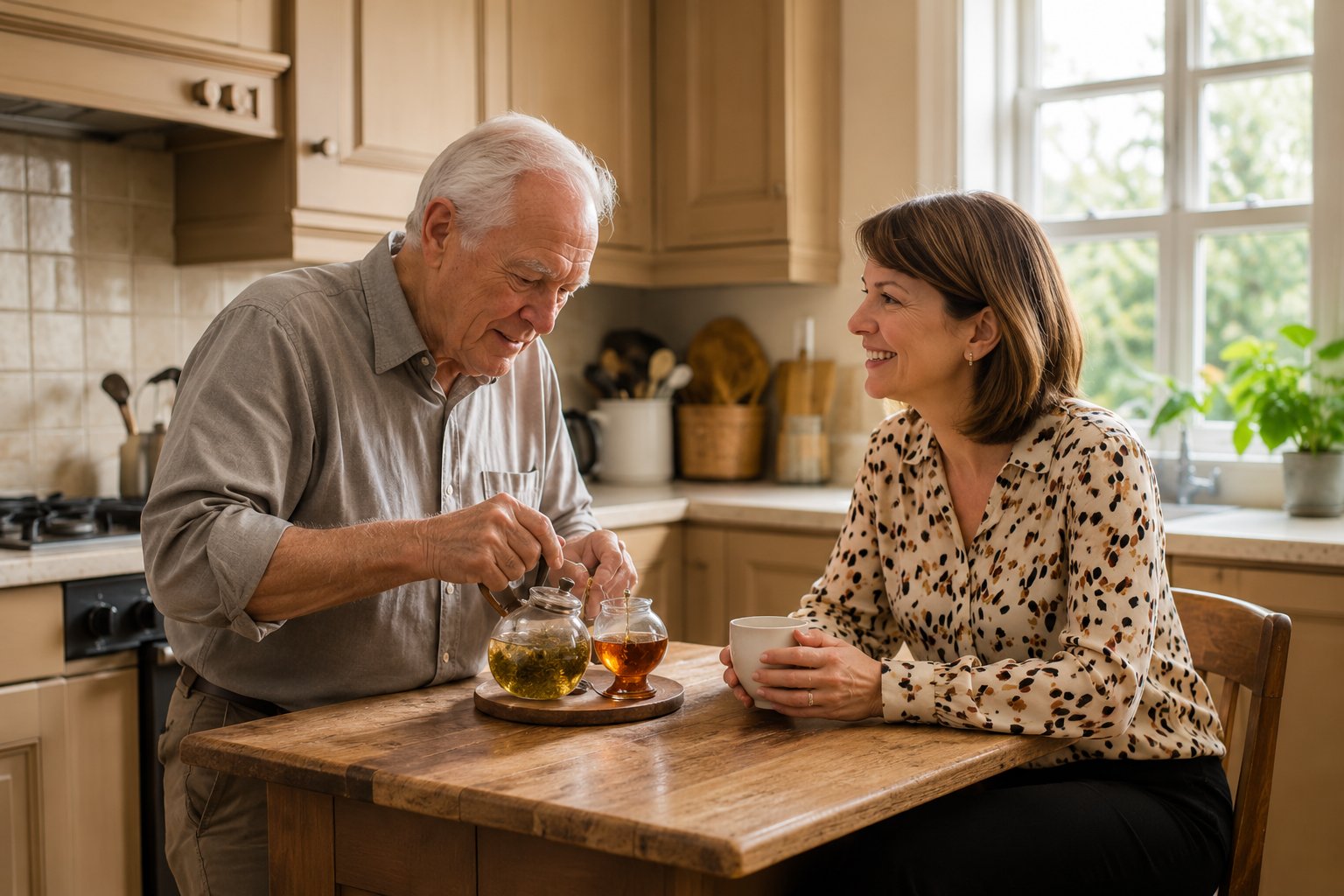
They don't need reminding how you take your tea.
They know which chair you prefer.
They understand that Tuesday matters.
They know when you'd like help.
And when you'd rather do it yourself.
That's the difference between completing something and knowing somebody.
The Harris James Standard
The person should always remain bigger than the support.
Whatever brings somebody to Harris James, our involvement should never become the most interesting thing about their life.
Their routines matter.
Their preferences matter.
Their relationships matter.
Their home matters.
Their ambitions matter.
The things that annoy them matter.
The things they find funny matter.
The way they have always done something matters.
The Harris James Standard begins by recognising that:
We are entering somebody else's life.
They are not entering our service.
Recognition before explanation
Understand the life before suggesting the answer.
We don't want to begin by asking:
“What service do you need?”
We want to understand:
What is happening?
What matters?
What has changed?
What hasn't?
What would you like to maintain?
What would you love to regain?
Only then should we begin thinking about what Harris James might contribute.
Listen first.
Design second.

Life before task
Getting something done isn't the same as getting it right.
A task can be completed perfectly and still miss the point.
Breakfast isn't simply preparing food. It may be the person's morning ritual.
Going shopping isn't simply obtaining groceries. It may be the reason somebody leaves the house.
A shower isn't simply personal care. It may be part of getting ready to go somewhere important.
Support makes more sense when we understand:
what the task makes possible.
The task is rarely the whole story.
Do with, not automatically for
Helping more isn't always helping better.
It can be quicker to do something for somebody.
Easier. More efficient.
But efficiency isn't always the objective.
If somebody can make the drink, choose the clothes, walk part of the way, prepare part of the meal or make the decision themselves, that matters.
The Harris James Standard should protect participation wherever it is wanted and appropriate.
Never take something away simply because we can do it faster.
Good support should protect capability, confidence and choice rather than unintentionally replacing them.
Knowing when to step forward, and when to step back
Presence should create confidence, not dependence.
Sometimes somebody needs us beside them.
Sometimes they need us nearby.
Sometimes they need us to take the lead.
And sometimes the best thing we can do is get out of the way.
Knowing the difference requires judgement, familiarity, observation, trust and a real understanding of the person.
Where support is genuinely needed, it stays. This is about protecting independence wherever it can be protected, not withdrawing help that somebody relies on.
Good support isn't measured by how visible we are.
Sometimes it's measured by how unnecessary we become.
Familiarity matters
Nobody should have to keep introducing themselves in their own life.
Trust takes time. So does familiarity.
Understanding how somebody likes things done cannot always be captured in a checklist.
The person matters. So does the relationship.
Where Harris James becomes a regular part of somebody's life, we aim for people to become known rather than continually unfamiliar. Consistency wherever possible.
Because continuity isn't simply operational convenience.
It changes how support feels.
Compatibility isn't a luxury
Who enters your life matters.
Skills matter.
Experience matters.
Training matters.
But so do:
Personality.
Conversation.
Humour.
Interests.
Energy.
Communication style.
Judgement.
And whether two people actually feel comfortable together.
We don't believe somebody should simply be expected to accept whoever is available because they happen to need some support.
The relationship is part of the quality.
Your home remains your home
We are the guest.
However often Harris James is there.
However much support somebody receives.
However familiar the relationship becomes.
It remains their home.
That means respecting routines, possessions, privacy, preferences and boundaries. How things are left. Who enters, when they enter, and how the home feels afterwards.
Nobody should feel like a guest in their own home.
Small details aren't small
Especially when they're yours.
Which mug.
How the curtains are left.
Where something belongs.
Whether the door is closed.
How somebody likes their toast.
What time they normally watch something.
Which route they prefer.
Whether they like conversation first thing in the morning.
Whether they don't.
These details may look insignificant from the outside. But repeatedly getting them wrong sends a message:
“We haven't really noticed.”
Knowing somebody lives in the details.
Family should still get to be family
A daughter shouldn't always have to be the organiser.
Nor should a husband always have to be the person remembering everything.
Or a son always be the person worrying about what happens next.
Families often do extraordinary amounts for one another. Harris James should not replace those relationships.
Where we're involved, our role should help create room for them.
Mum and daughter.
Husband and wife.
Dad and son.
Not simply:
person needing support and person providing it.
Say what we will do. Then do it.
Trust is built in very ordinary ways.
Turning up when expected.
Calling when we say we will.
Explaining when something changes.
Following something through.
Remembering the conversation.
Being honest when we don't know.
Owning something when we get it wrong.
Not making promises simply because they sound reassuring.
Reliability isn't glamorous.
It is essential.
Notice when something changes
Knowing somebody means noticing.
Perhaps they're quieter.
Moving differently.
Eating differently.
Less confident.
More confident.
Doing something they couldn't do before.
Avoiding something they normally enjoy.
Something in the home has changed.
Something in their routine has changed.
Noticing does not mean assuming.
It means being curious enough to ask.
Sometimes the smallest change starts the most important conversation.
Success isn't more Harris James
Sometimes success means needing less from us.
Traditional service models can unintentionally measure success through volume. More hours. More visits. More input.
Harris James wants to ask something different:
Is life getting bigger?
Can somebody do more?
Do they feel more confident?
Has something become easier?
Can family step back?
Could support reduce?
Has something been maintained that might otherwise have disappeared?
There will be times when somebody genuinely needs more support. When they do, that support matters.
But more Harris James should never become the objective simply because Harris James is already involved.
The outcome matters more than our involvement.
One Standard · Different experiences
Harris James may look different. It should still feel like Harris James.
Active doesn't look like HomeWise.
Lounge doesn't look like Assured.
MyFutureMyWay doesn't look like AtHome.
An Escape doesn't look like an AnyTime conversation.
They shouldn't. They exist for different reasons.
But underneath them should be the same expectations:
Listen properly.
Know the person.
Respect the life.
Notice the details.
Protect choice.
Create possibility.
Do what you said you would do.
Never confuse more support with a better outcome.
Different categories.
One Harris James Standard.
Standards don't deliver themselves
The people matter.
You can write the best philosophy in the world.
It means very little if the person standing at someone's front door doesn't understand it.
That's why who becomes part of Harris James matters enormously.
Not simply:
Can they perform the task?
But:
Do they notice?
Do they listen?
Do they have judgement?
Are they interested in people?
Can they build trust?
Do they understand when to help and when not to?
Would we want this person becoming part of our own life?
That's a much higher standard than simply being available.
The Standard also matters when something goes wrong
We won't always get everything right.
No organisation made up of people can honestly promise that.
What we can promise is the standard we expect when something isn't right.
Listen.
Take it seriously.
Understand what happened.
Be honest.
Put things right where we can.
Learn from it.
And ask whether something needs to change so it doesn't happen again.
Standards aren't proven when everything is easy.
They're proven by what happens next.
If something doesn't feel like Harris James, tell us.
A small concern is still worth hearing.
You don't need to wait until something becomes a complaint.
If something doesn't feel right, we'd rather know.
What the Standard is for
Ultimately, none of this is about standards.
It's about life.
A wheelchair moving to the garage.
Getting back on the bus.
Continuing to garden.
Going out for coffee.
A family member being able to step away.
Those are the things the standards are designed to protect and make possible.
If Harris James becomes part of your life, it should still feel like your life.
Your routines.
Your choices.
Your home.
Your relationships.
Your ambitions.
Your way.
The Harris James Standard
What should good support feel like?
We think that's a question worth asking before deciding what good support should do.